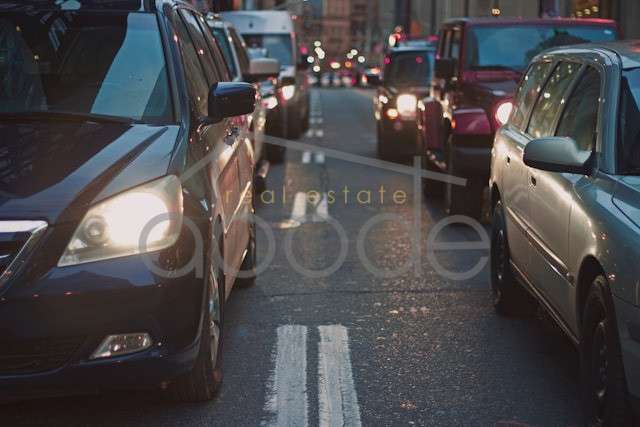
Traffic congestion has become one of the most significant urban challenges facing Phnom Penh. Over the past decade, rapid economic growth, rising incomes, increased vehicle ownership, and major population expansion have transformed the Cambodian capital into a busy regional city. While this growth has created investment opportunities and improved living standards, it has also placed enormous pressure on the city’s transport infrastructure.
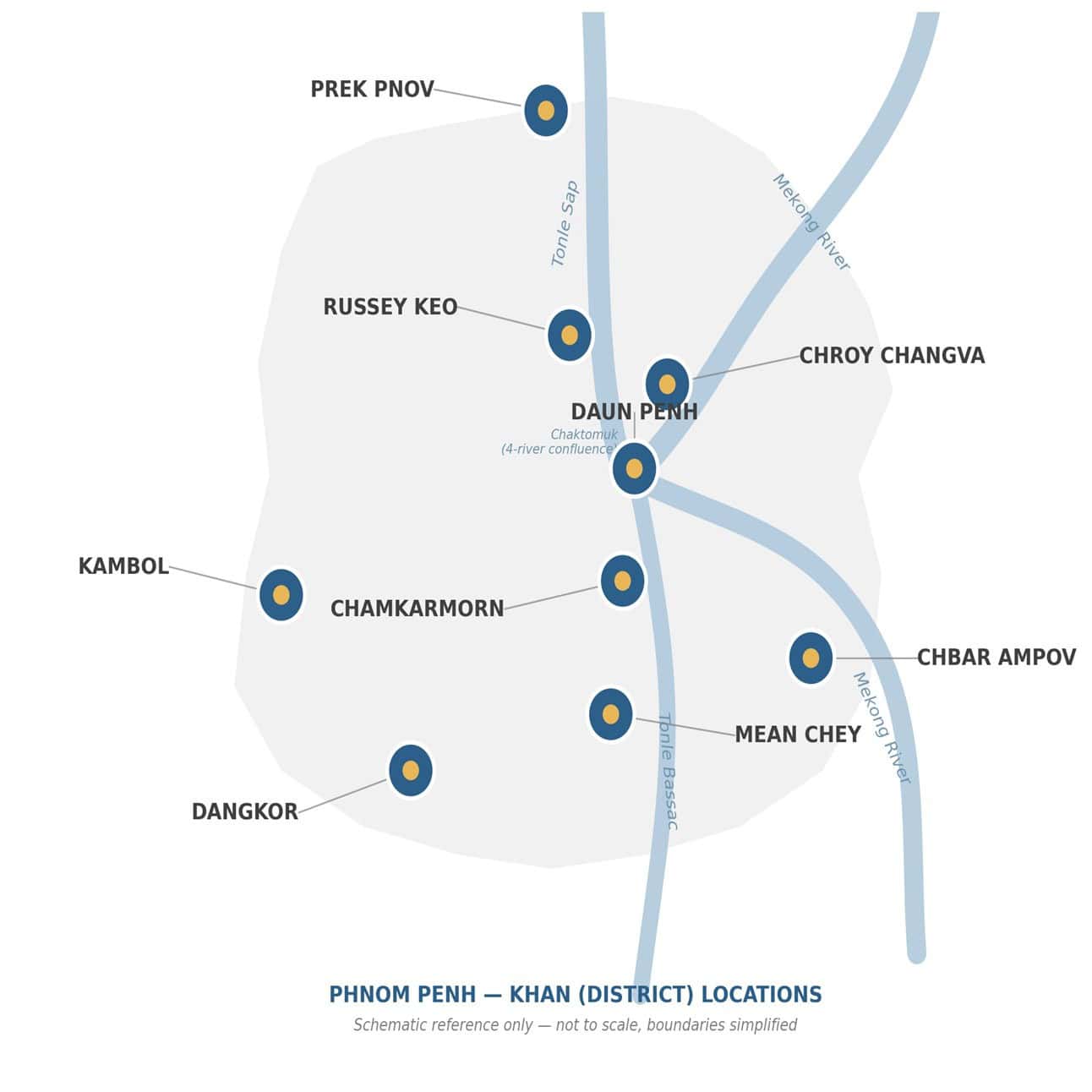
Today, congestion is particularly severe during peak hours along major corridors such as Monivong Boulevard, Russian Federation Boulevard, Norodom Boulevard, Mao Tse Tung Boulevard, and routes connecting the southern districts to the city centre. Areas around Tuol Kork, Sen Sok, Meanchey, Chroy Changvar and the airport corridors are increasingly affected by long commuting times and traffic bottlenecks.
According to the Japan International Cooperation Agency (JICA), traffic problems have been worsening due to rapid urbanisation, rising car and motorcycle ownership, low road density outside the city centre, and insufficient transport infrastructure development.
Source: https://www.jica.go.jp/oda/project/0601330/index.html
The Cambodian government has acknowledged the seriousness of the issue and has invested heavily in flyovers, ring roads, and wider arterial roads to improve traffic flow. The recently completed Morodok Techo Flyover was specifically designed to reduce congestion in the southern parts of the city and improve connectivity to National Roads 1 and 2.
Source: https://southeastasiainfra.com/morodok-techo-flyover-launched-to-boost-traffic-flow-in-phnom-penh/
Additional infrastructure projects, including Phnom Penh Ring Road No. 3, are intended to divert heavy vehicles and logistics traffic away from central urban areas.
Source: https://logistics.gov.kh/en/projects/P25-L1
Implications for home buyers
Traffic congestion is increasingly influencing residential property decisions in Phnom Penh. Traditionally, buyers prioritised property size and affordability, however accessibility and commuting time are now becoming equally important considerations.
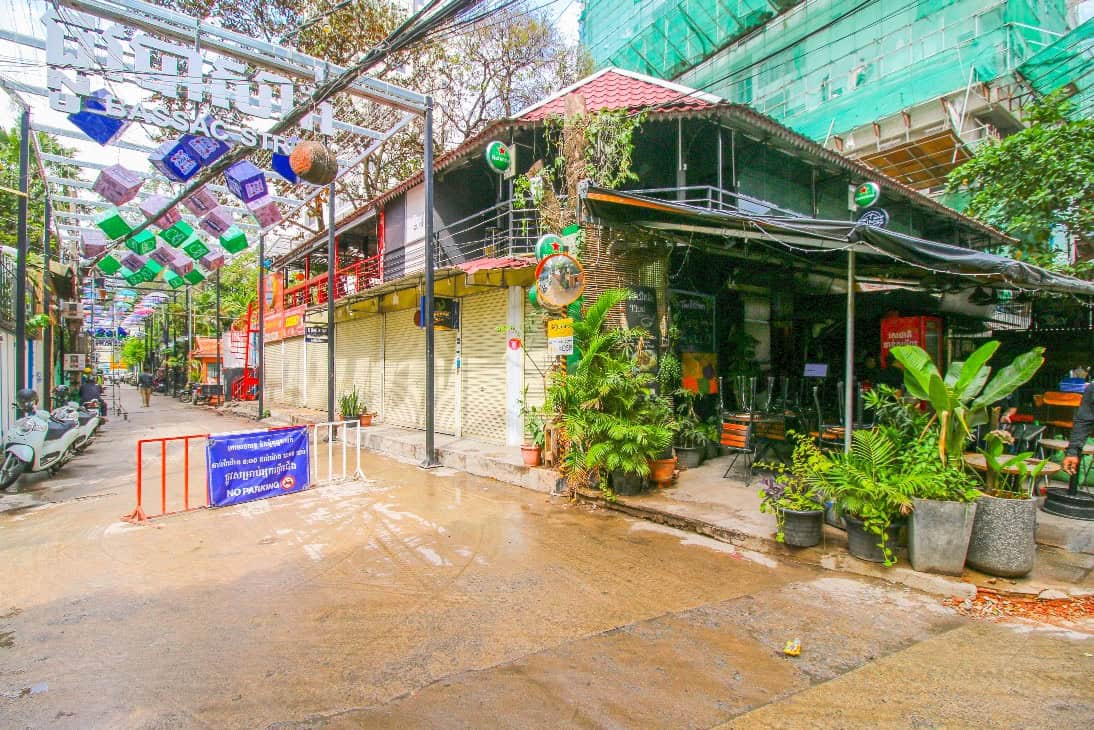
Properties located near employment centres, international schools, retail hubs, and major roads may command stronger long-term value because they reduce commuting stress. Central areas such as BKK1, Tonle Bassac, Daun Penh and parts of Chamkarmon remain attractive partly because residents can avoid long daily travel times.
In contrast, some outer districts may offer larger homes and lower prices, but residents often face extended commuting periods, especially during rush hour. For families with children attending international schools, traffic delays can significantly affect daily routines and quality of life.
Traffic congestion may also affect future resale value; as it worsens, properties with good connectivity, multiple access routes, and proximity to commercial centres are likely to outperform isolated developments with limited road access.
Implications for renters
Renters are generally more flexible than buyers, but congestion still affects lifestyle and housing preferences. Many expatriates and young professionals now prefer apartments closer to workplaces, even if rents are higher. Areas with nearby supermarkets, gyms, restaurants, and schools are becoming increasingly popular because they reduce dependence on long vehicle trips.
Traffic congestion also increases transportation costs, fuel consumption, and commuting stress. In some cases, renters are willing to compromise on apartment size in exchange for shorter travel times and better convenience.
For landlords and developers, this trend creates stronger demand for mixed-use developments and centrally located condominiums with walkable amenities.
Recommendations and considerations
Both buyers and renters should carefully evaluate transportation access before choosing a property. Important considerations include:
- Average commuting times during peak hours
- Proximity to workplaces and schools
- Access to major boulevards and secondary roads
- Availability of public transportation
- Flooding risks during rainy season traffic disruptions
- Future infrastructure projects in the surrounding area
Potential buyers should also research long-term urban development plans. Areas currently considered “far” from the centre may become far more attractive once ring roads, bridges, or public transport systems improve connectivity.
Government plans over the next 5–10 years
The Cambodian government has announced several initiatives aimed at reducing traffic bottlenecks over the next decade. These include:
- Expansion of ring roads to redirect heavy traffic away from the city centre.
- Construction of additional flyovers and major intersections.
- Improvement of traffic management systems and road safety enforcement.
- Expansion of public bus services and dedicated bus routes.
- Long-term consideration of rail-based urban transport systems.
Prime Minister Hun Manet has recently emphasised the importance of improving public transportation and encouraging residents to use buses rather than relying entirely on private vehicles.
Source: https://cambodianess.com/article/hun-manet-pushes-bus-fix-for-traffic-woes
There have also been discussions about future underground rail and mass transit systems to support the city’s long-term growth.
Source: https://construction-property.com/en/phnom-penh-unveils-ambitious-plan-to-combat-traffic-congestion-with-airstrip-and-underground-railway/
Although infrastructure improvements will help, many urban planners argue that Phnom Penh will ultimately need stronger public transportation networks, smarter traffic management systems, and more integrated urban planning to sustainably manage congestion as the city continues to grow.