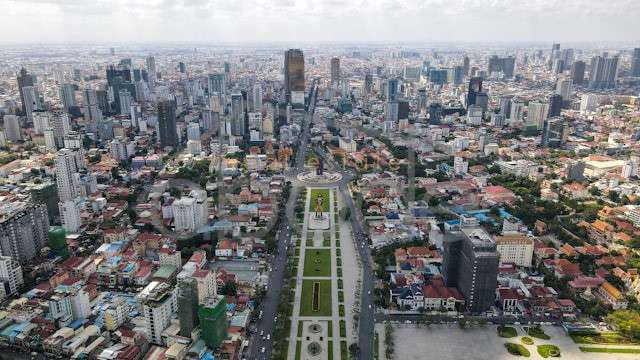
For much of the past decade, Phnom Penh’s property market was defined by optimism. Tower cranes dominated the skyline, foreign capital poured into apartment developments, and investors eagerly anticipated ever-rising prices. Then came a series of shocks: tighter Chinese capital controls, the pandemic, global economic uncertainty, and a significant oversupply of apartments. The result was a market correction that left many owners nursing losses and prospective buyers sitting on the sidelines.
Today, however, a different question is emerging among expats and small investors: could 2026 be offering the best buying opportunity Phnom Penh has seen in years? The answer depends less on the overall market and more on where you buy.
So, where is a good place to buy in Phnom Penh?
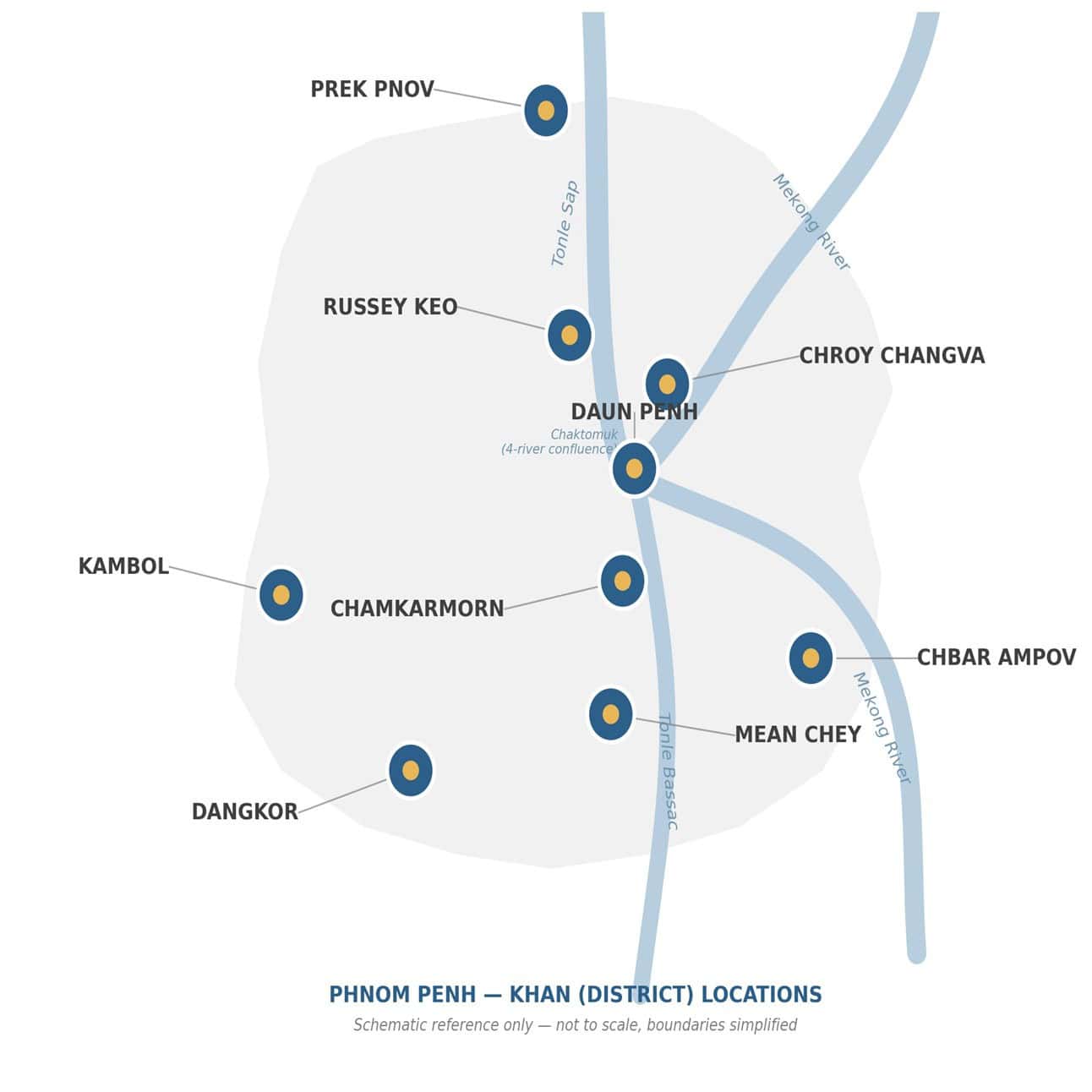
While some outer districts continue to struggle with oversupply and weak rental demand, established central locations such as Daun Penh, BKK, and Tonle Bassac remain attractive to both residents and investors. These neighbourhoods offer something that cannot be replicated by new developments further from the city centre: lifestyle, convenience, and long-term desirability.
Daun Penh, Phnom Penh’s historic heart, continues to attract expatriates who value character, walkability, and proximity to government offices, riverside attractions, restaurants, and cultural landmarks. Colonial apartments and boutique developments often appeal to long-term residents seeking a more authentic urban experience than that offered by high-rise living.
Meanwhile, BKK—particularly BKK1—remains the city’s premier expatriate district. International schools, embassies, cafés, restaurants, coworking spaces, and professional services create a self-sustaining ecosystem that attracts foreign professionals and affluent Cambodian tenants. Even during market downturns, demand for quality accommodation in BKK has generally proven more resilient than in less established areas.
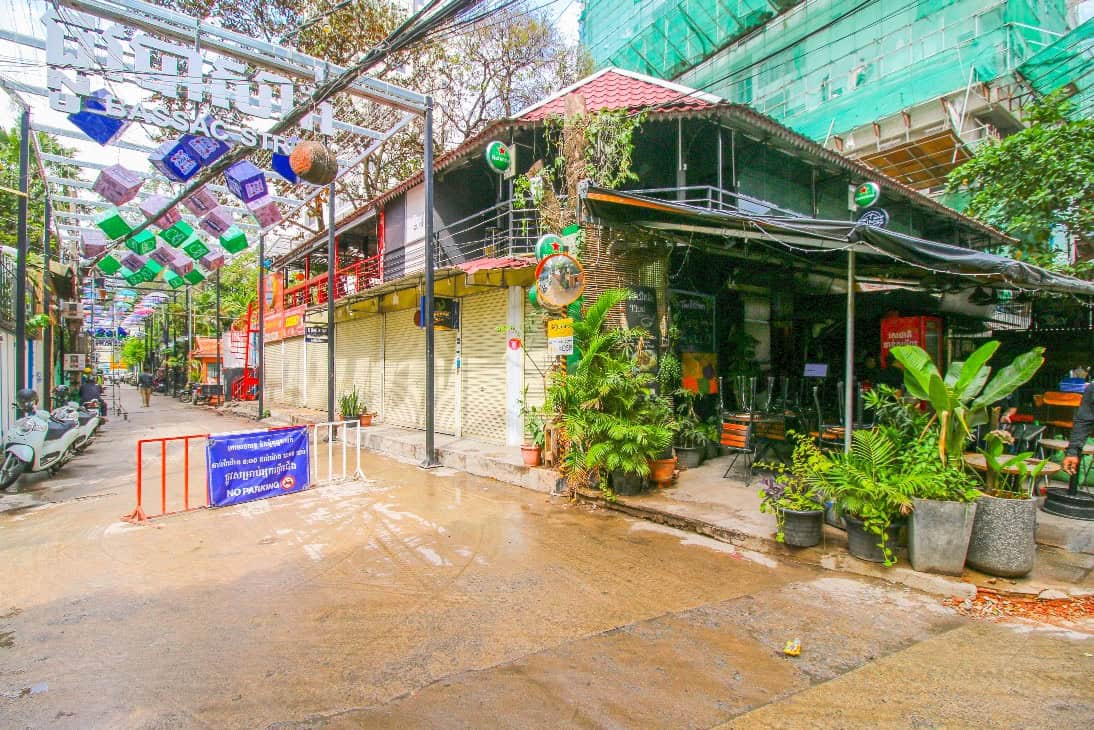
Tonle Bassac presents a slightly different proposition. Benefiting from proximity to major commercial developments, shopping centres, and the rapidly evolving Koh Pich district, it offers a blend of modern convenience and future growth potential. As infrastructure continues to improve, many investors see Tonle Bassac as one of the most strategically positioned residential areas in the capital.
The strongest argument for buying today is simple: prices remain significantly below their previous peaks in many segments of the market. Buyers who were priced out during the boom years can now access properties in premium locations at discounts that would have seemed unimaginable five or six years ago.
For owner-occupiers, this creates an opportunity to exchange rising rental payments for asset ownership. Many expatriates who intend to remain in Cambodia for five years or longer are beginning to ask whether continuing to rent makes financial sense when purchase prices have become more attractive.
For apartment investors, the calculation is more nuanced.
The days of buying off-plan and expecting rapid capital appreciation are largely over. Phnom Penh’s market is becoming more mature, and successful investors increasingly focus on rental yield, tenant quality, and location fundamentals rather than speculation.
Properties that generate consistent rental income from professional tenants may offer more attractive risk-adjusted returns than waiting indefinitely for prices to fall further. In particular, well-maintained apartments within walking distance of major employment centres, schools, and lifestyle amenities tend to perform better during periods of economic uncertainty.
That said, risks remain. Oversupply continues to affect parts of the condominium market. Building quality varies considerably between developments. Maintenance standards, management fees, sinking funds, and ownership structures all require careful investigation. Buyers should conduct thorough due diligence and resist the temptation to focus solely on headline prices.
The broader Cambodian economy also remains an important factor. Future property performance will depend on continued economic growth, foreign investment, infrastructure development, and the country’s ability to strengthen its international reputation.
Yet history suggests that the best property opportunities rarely appear when sentiment is overwhelmingly positive. They emerge when uncertainty discourages buyers and creates value for those willing to take a longer-term view. This year is essentially a cookie-cutter of the latter.
For expats and small investors seeking a home, a rental income stream, or a foothold in one of Southeast Asia’s most dynamic frontier markets, Phnom Penh’s current property market may represent exactly that kind of opportunity. The key is not simply buying because prices are lower. It is buying the right property, in the right location, for the right reasons.
In Daun Penh, BKK, and Tonle Bassac, that opportunity may be closer than many people realise.
- Why digital nomads are choosing Phnom Penh: great apartments, lifestyle and expat life in 2026
- Traffic congestion in 2026 Phnom Penh: Implications for property buyers and renters