- Property type: Apartment / flathouse
- Offer type: For Rent
- City: Phnom Penh
- Neighborhood: Daun Penh , Riverside
- Original Property ID: DP10.X1
- Bedrooms: 2
- Property size: 100 m²
Features
- Air Conditioning
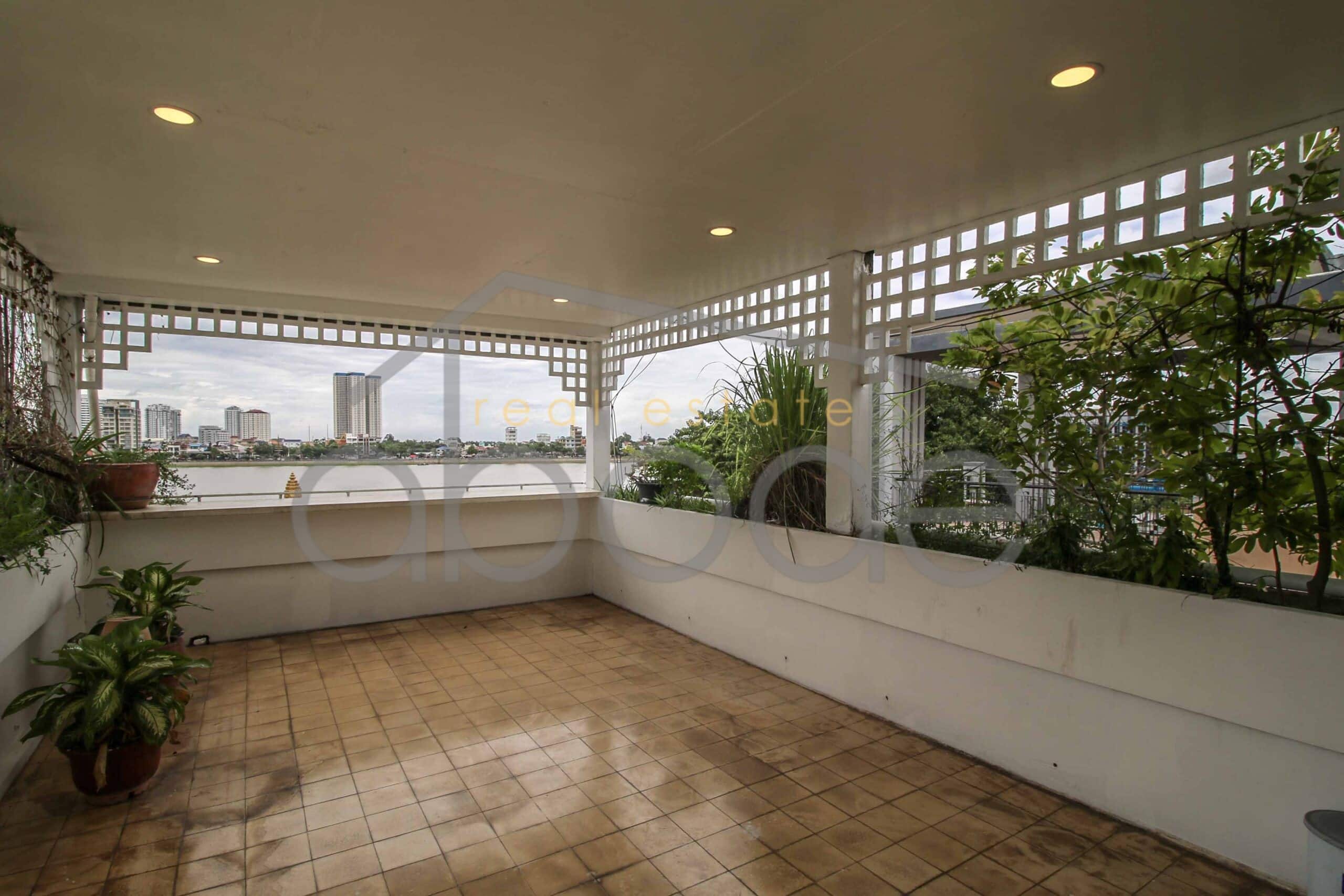
- Balconies
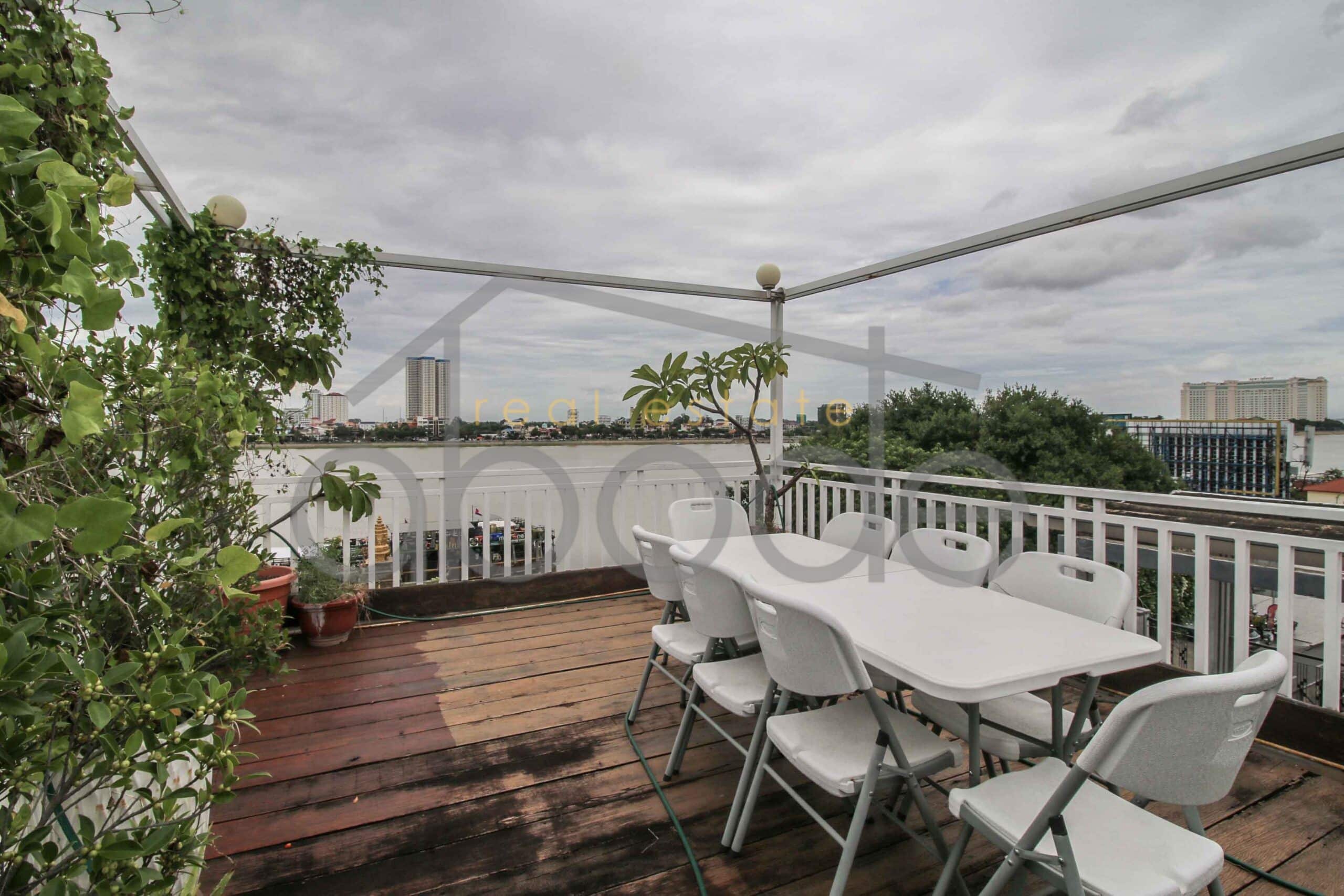
- BBQ / entertainment area
- Ceiling fans
- Close to French Embassy
- EDC and Water State rates
- Fully furnished
- High ceilings
- Parking nearby
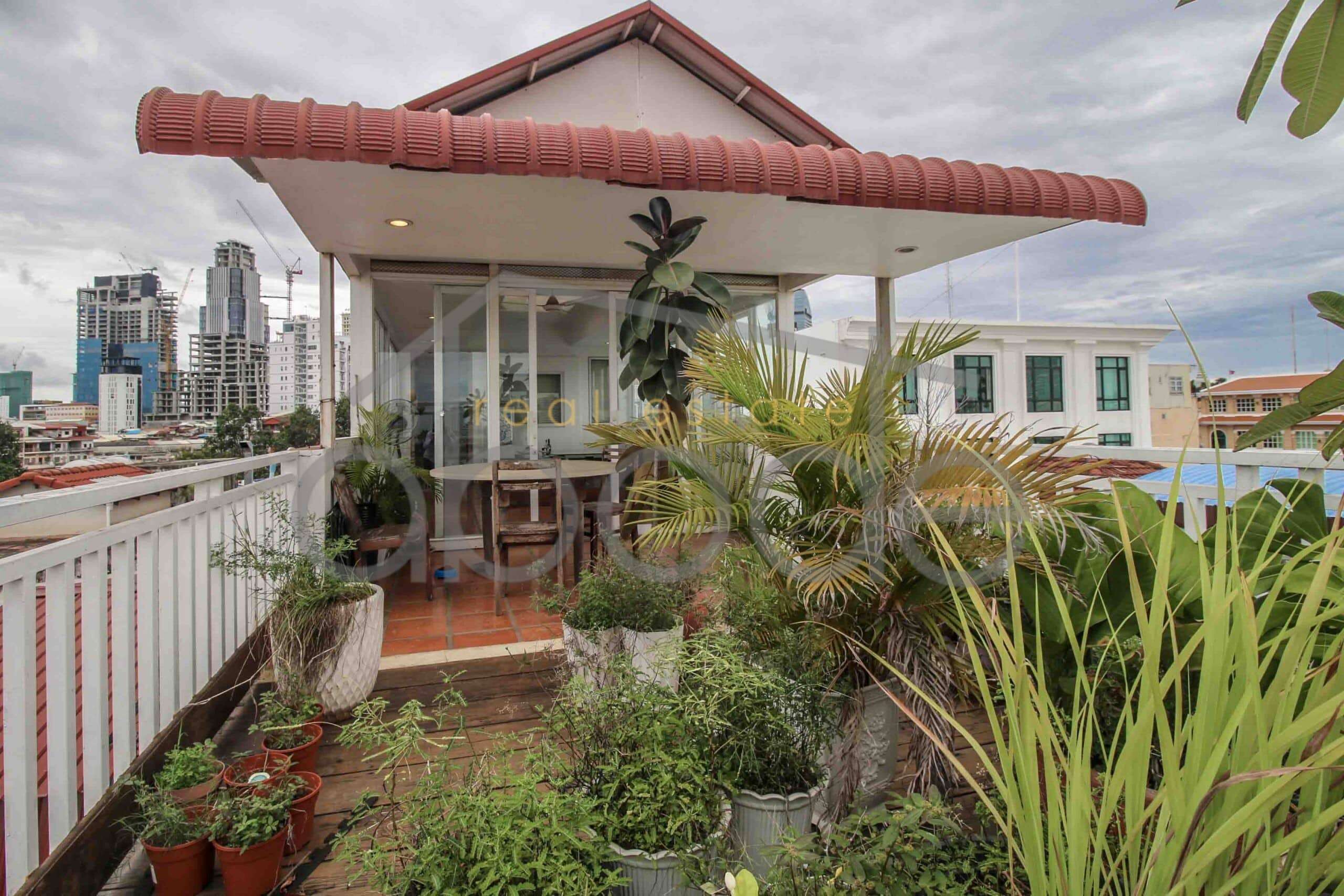
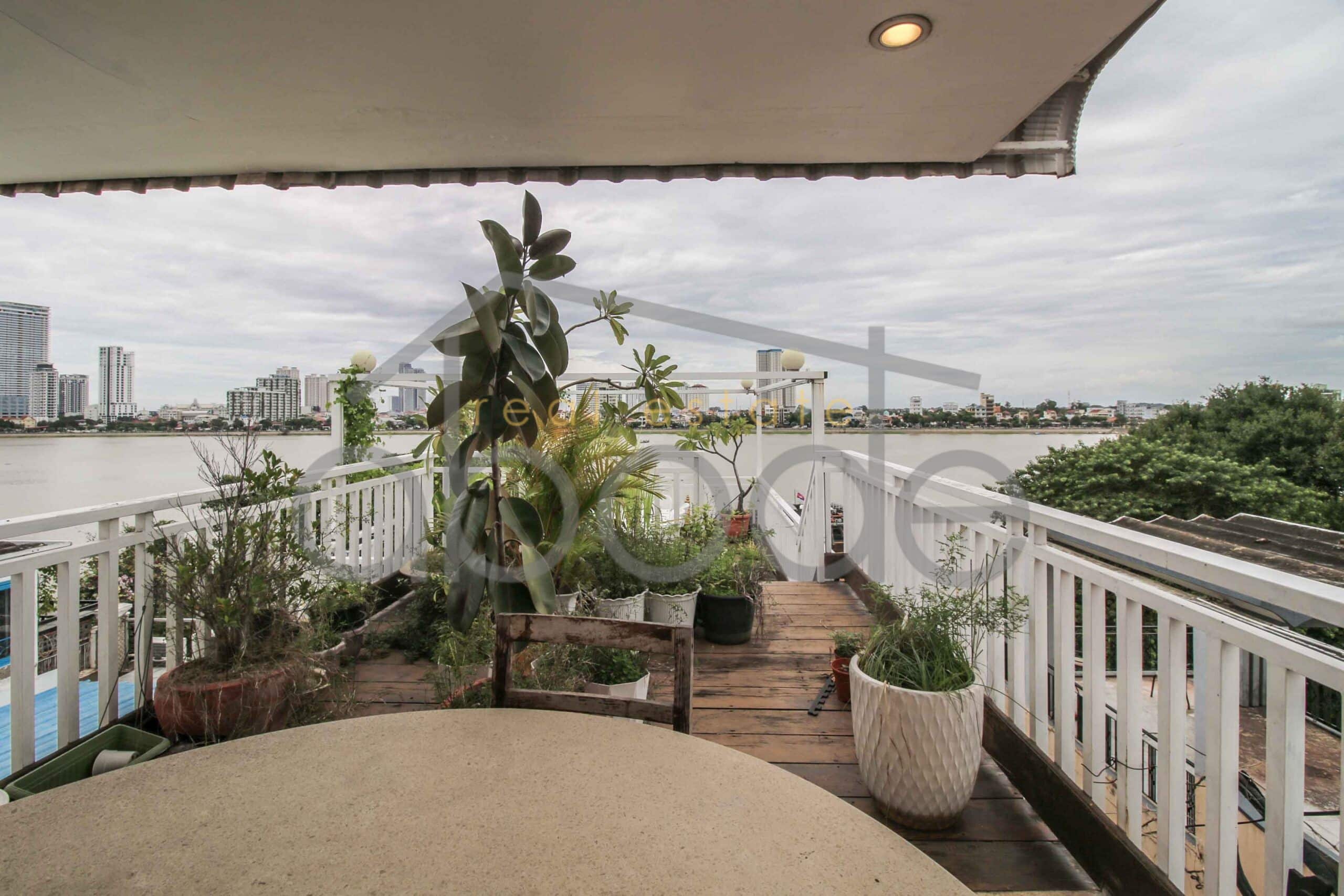
- Private terrace
- Washing machine
Details
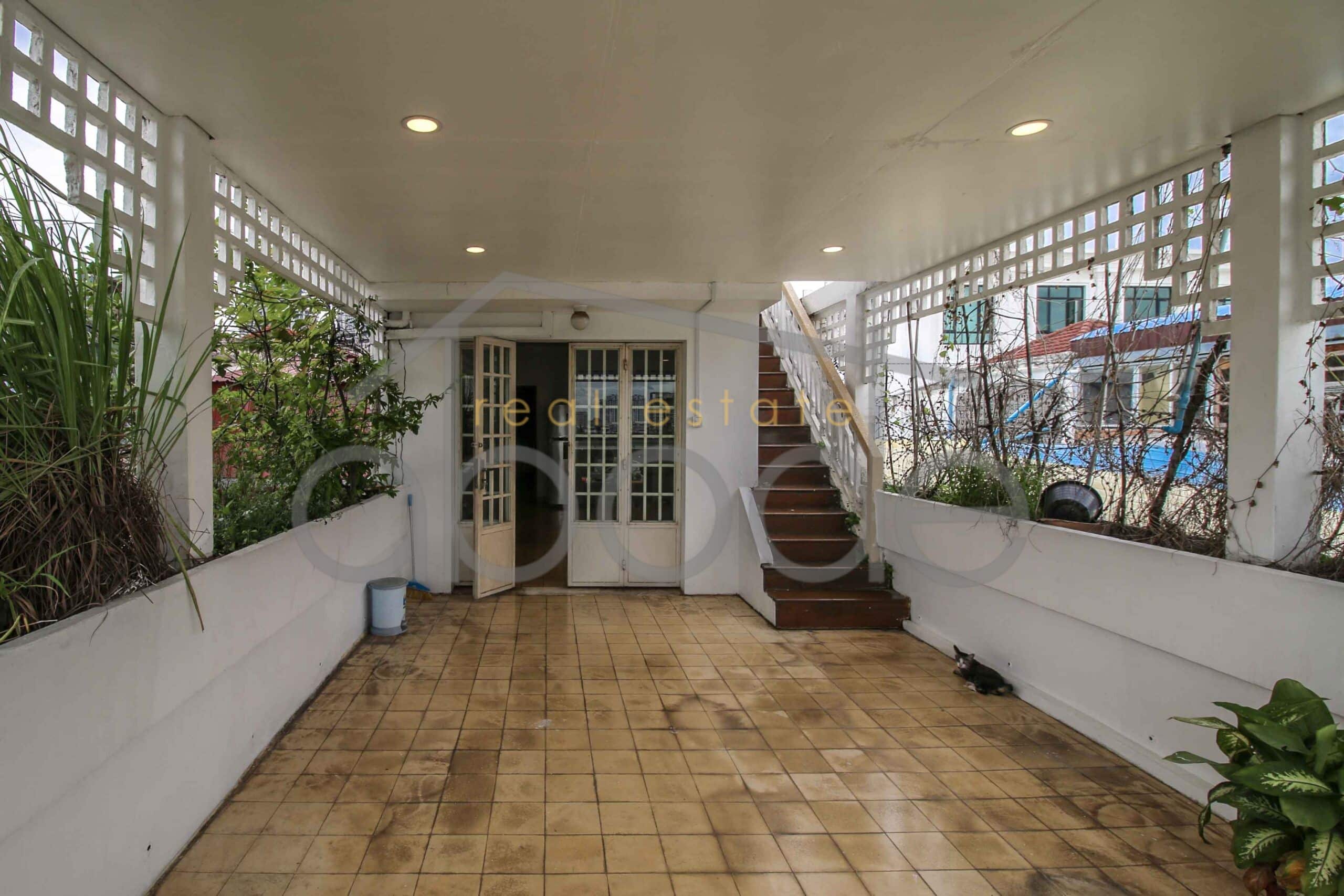
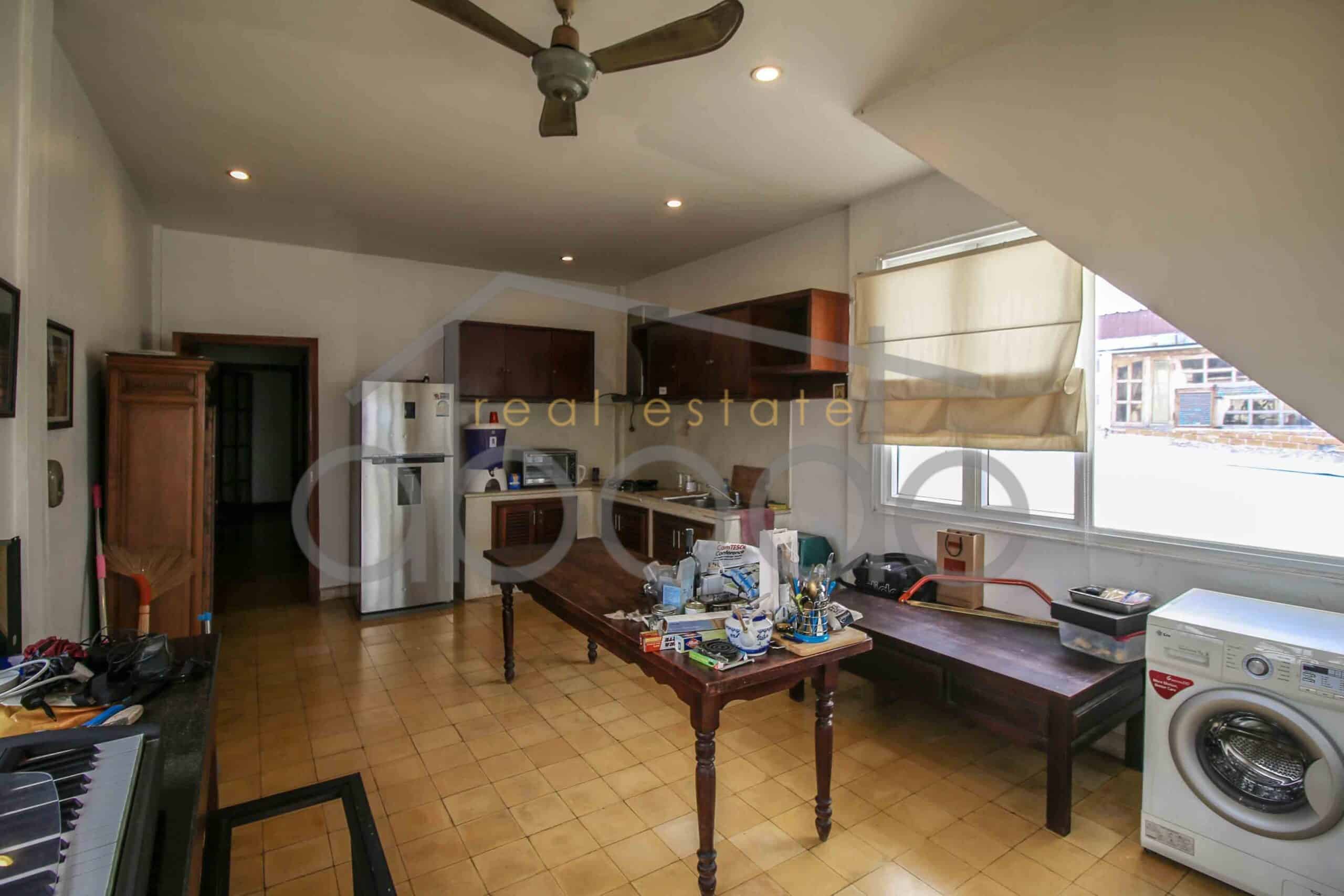
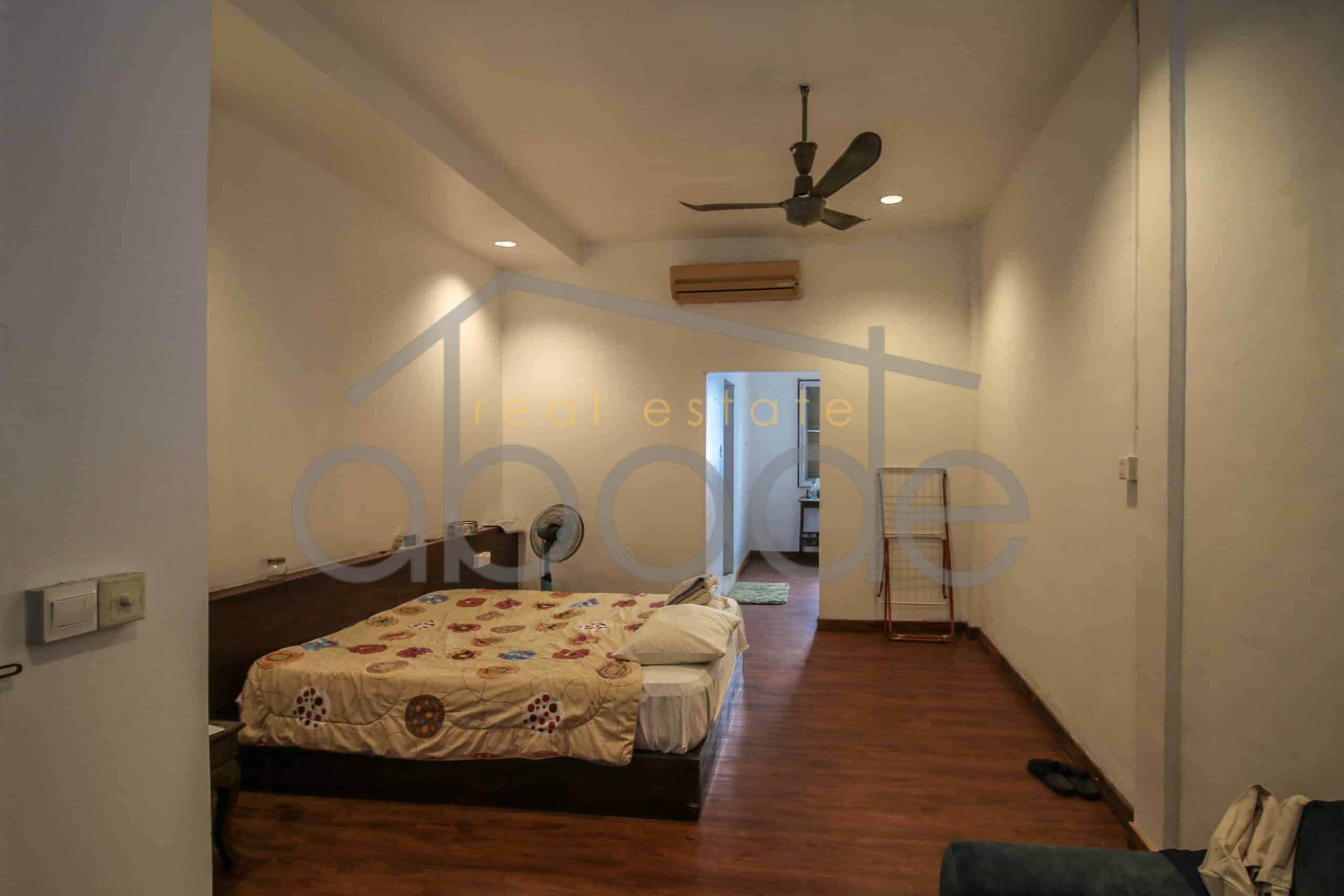
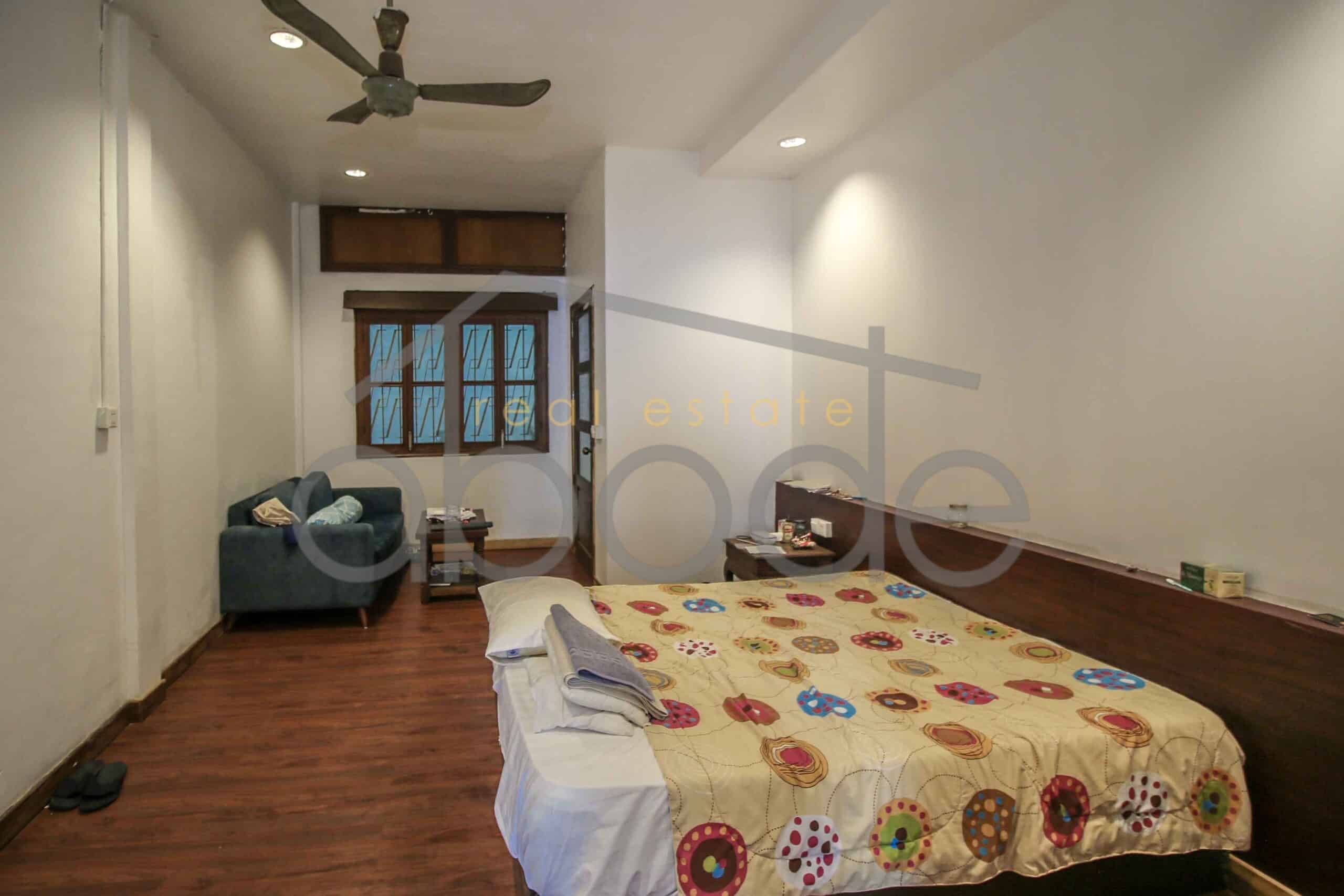
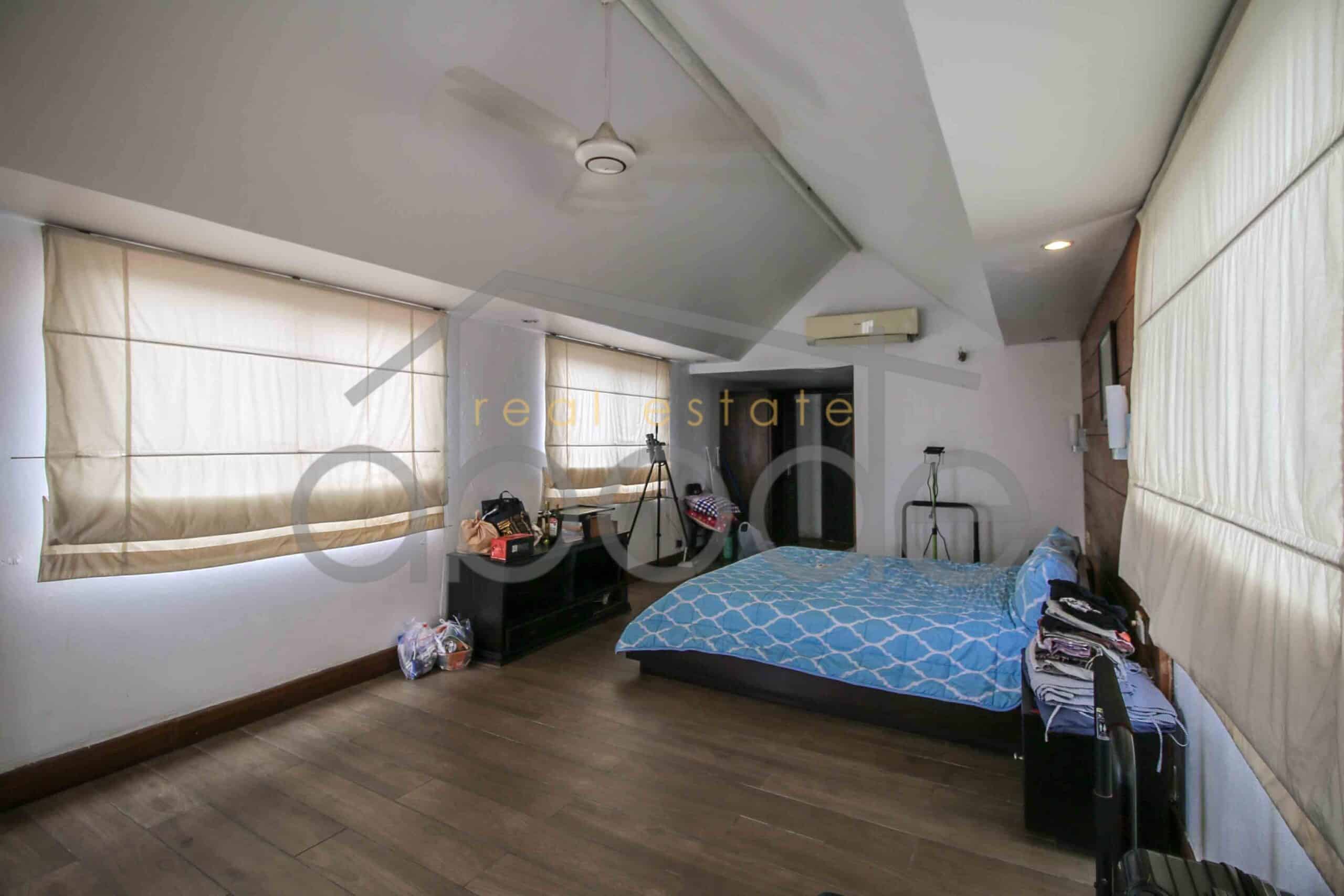
Located near the night market and riverfront is this characterful renovated 2-bedroom post-colonial duplex apartment for rent.
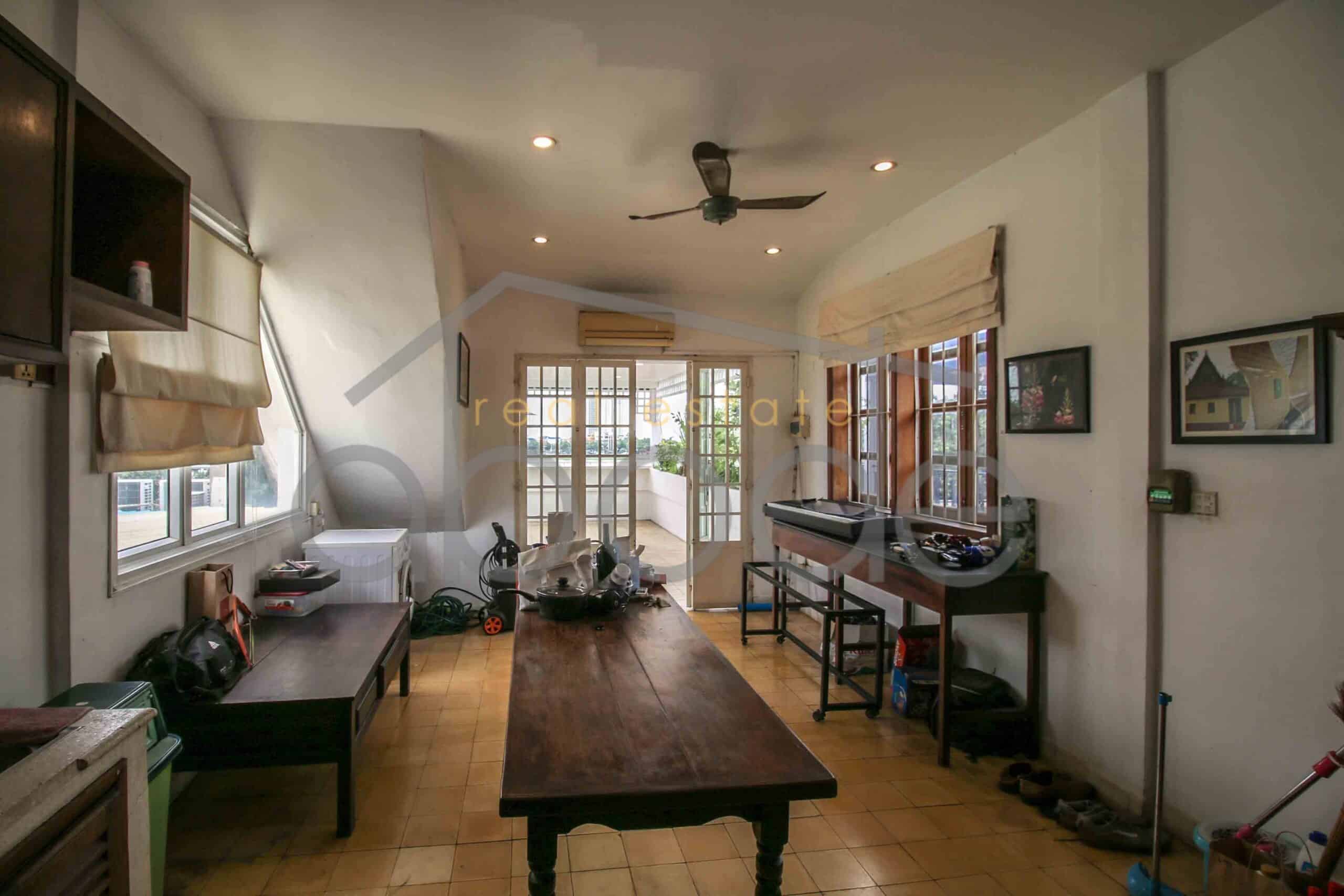
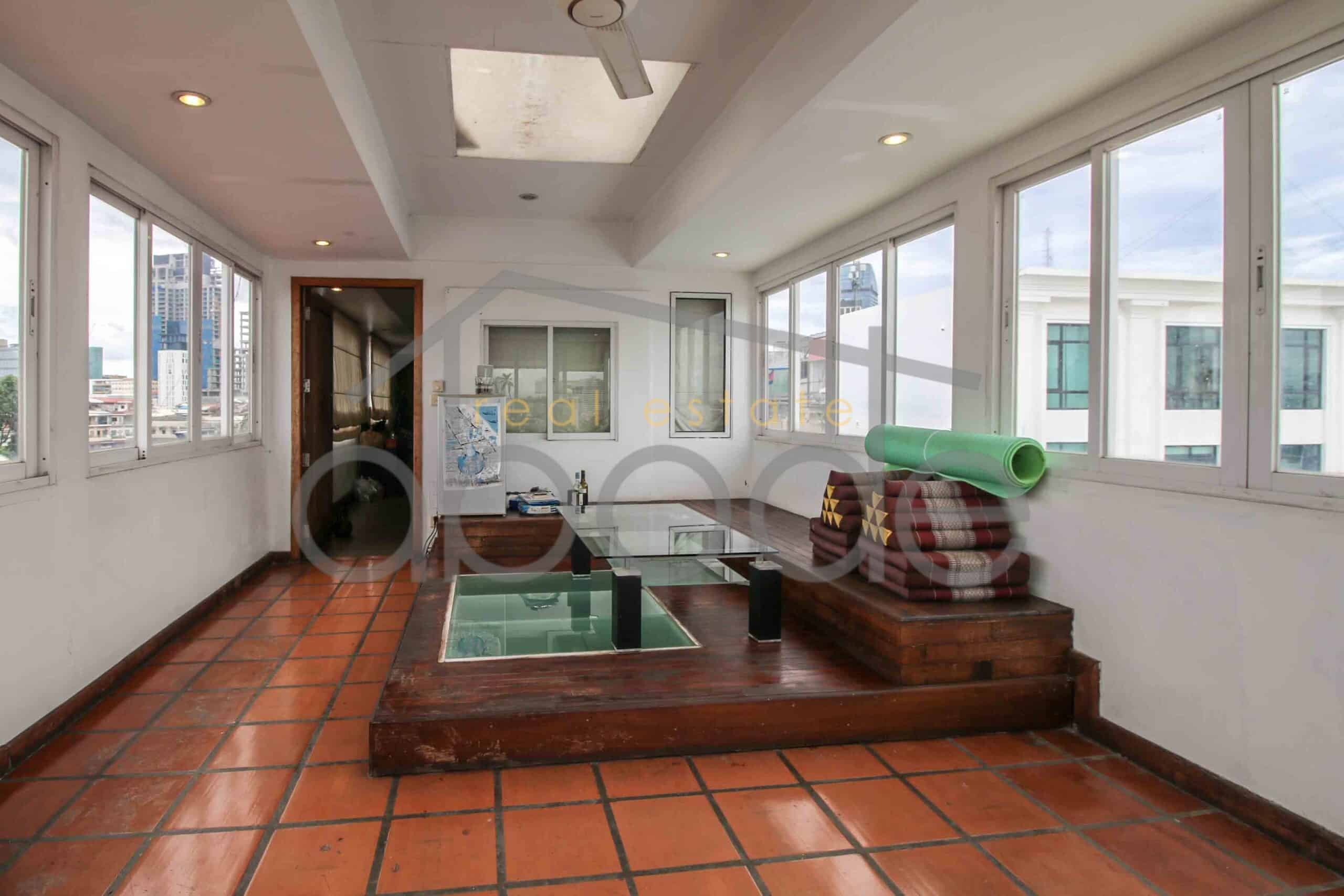
The building is a rarity in Phnom Penh. It has a floor plan and internal height with potential as an urban living space or a fun office.
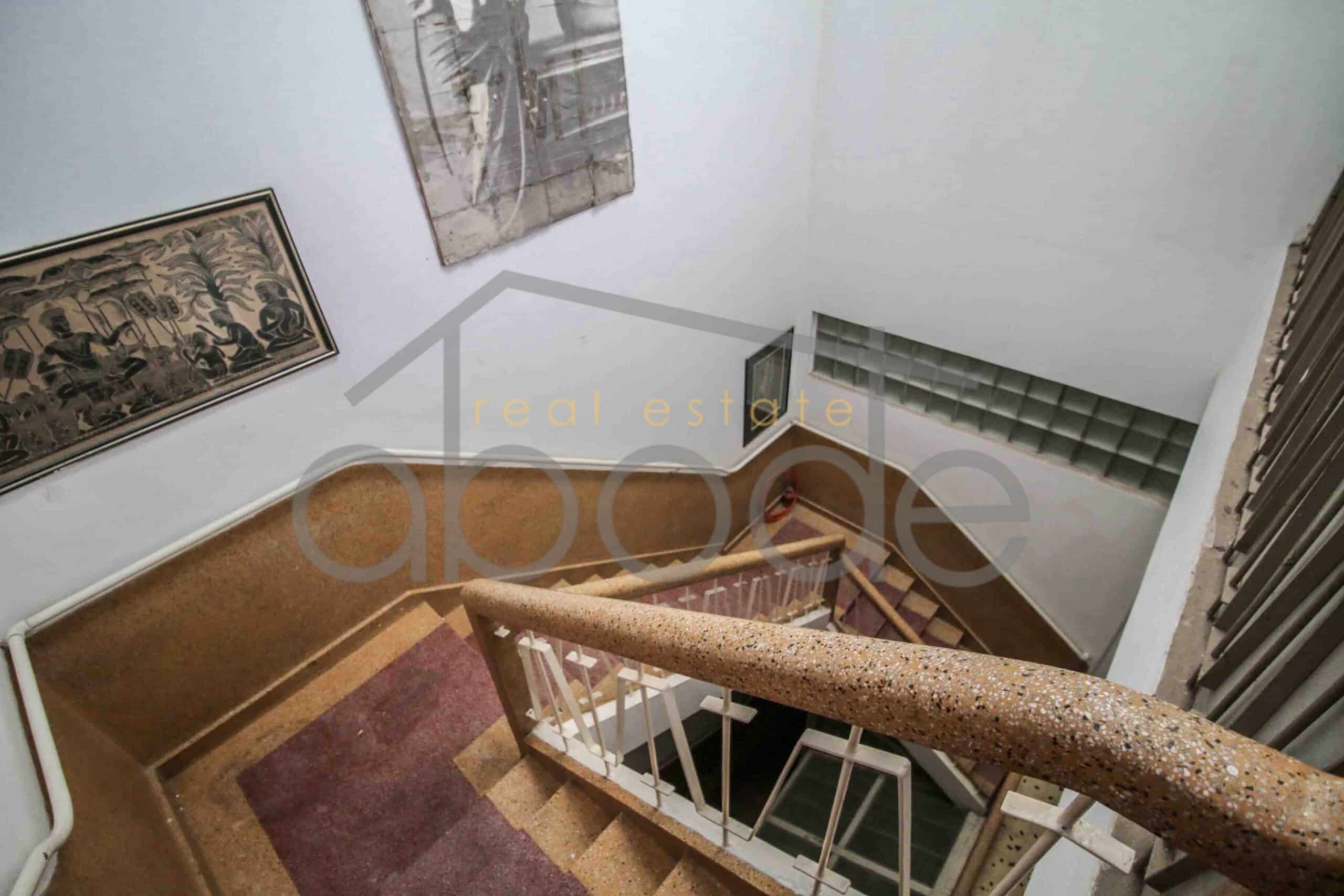
It has three distinct external (some covered) entertaining sppaces and is accessed via clean and secure stairs.
Plants abound as does natural light from all sides… an absolute joy to live in.
Apartment features
- Furnished
- Air-conditioning / hot water
- Tastefully renovated with original features remaining
- High ceilings
- Good access
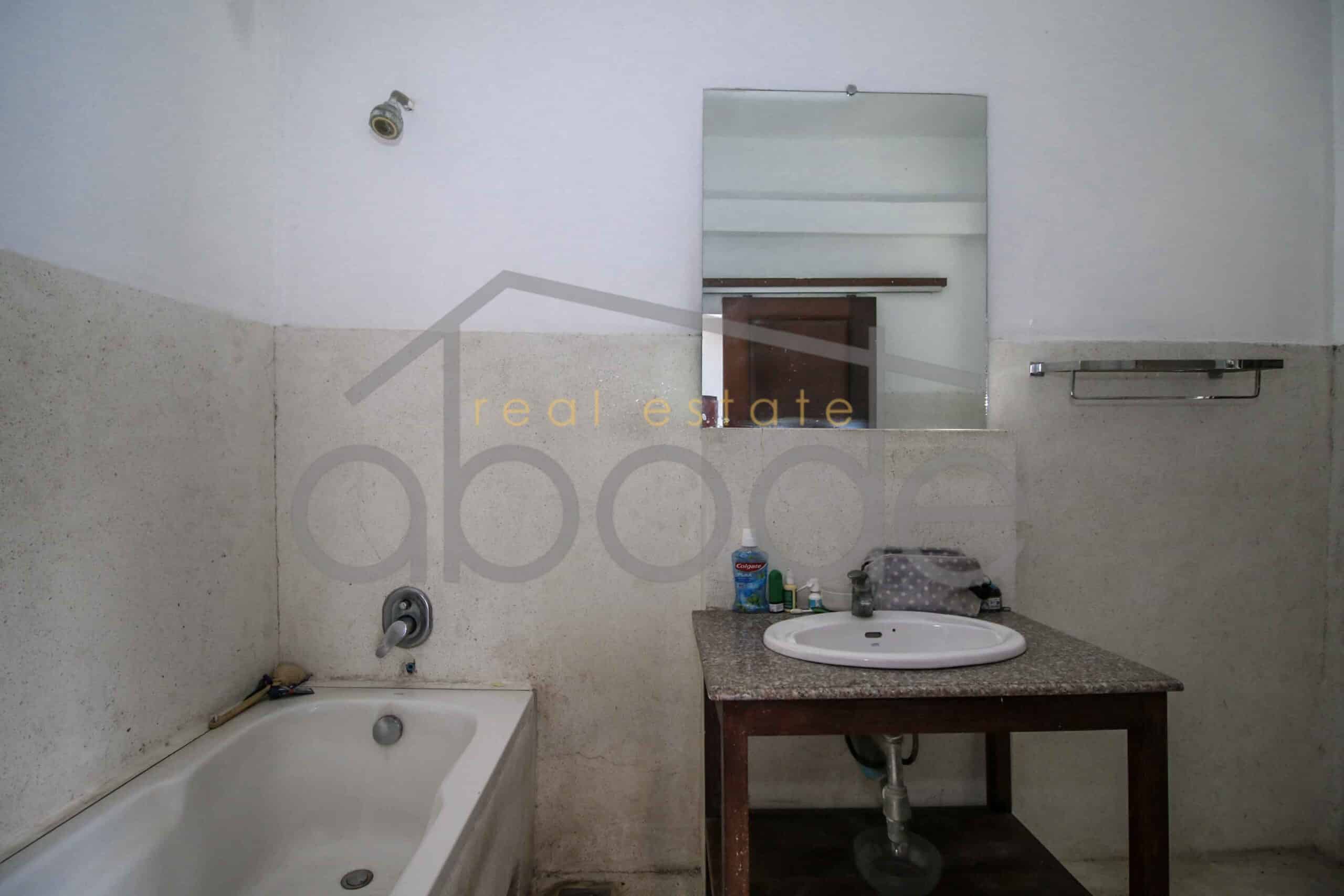
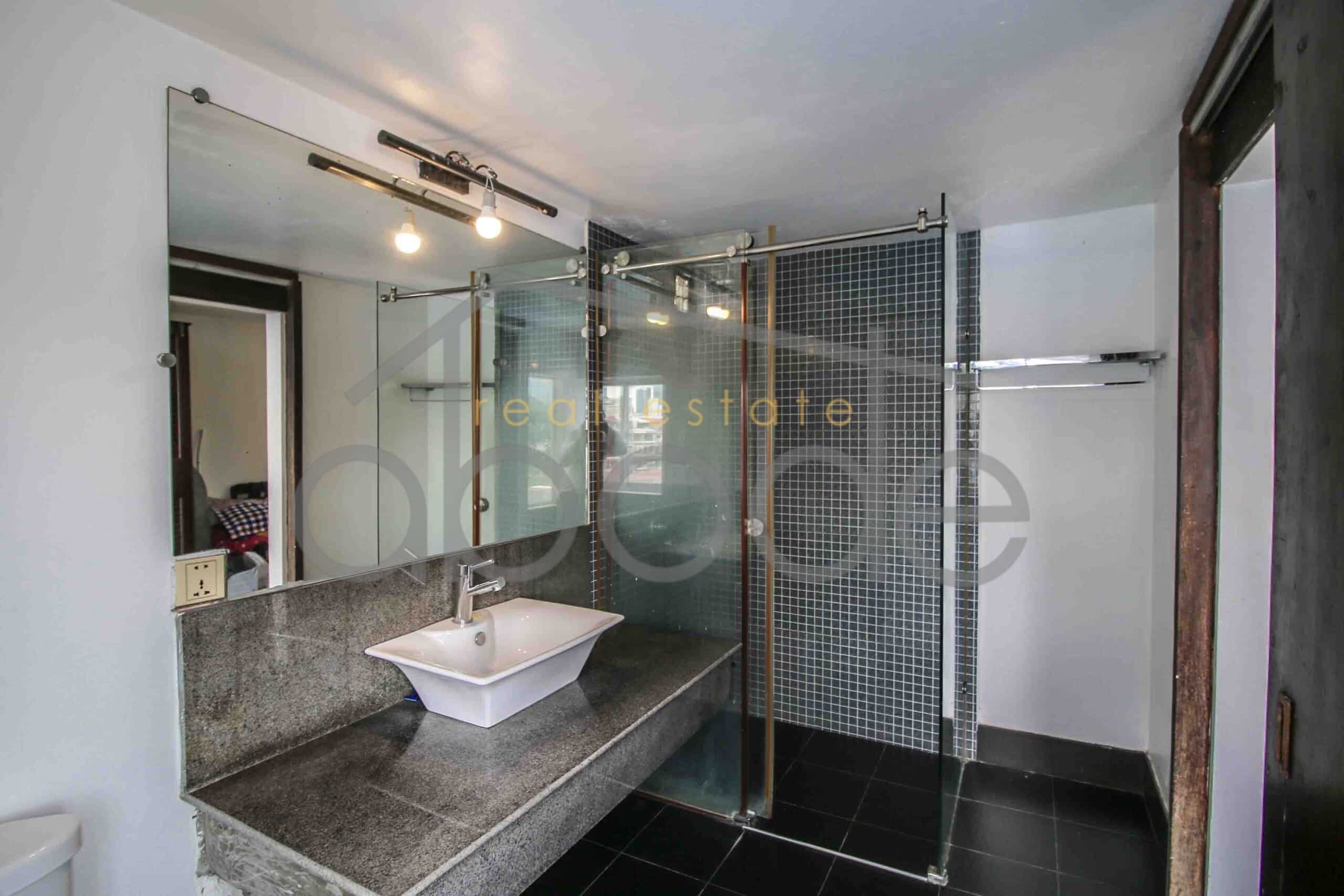
- Large kitchen and modernised bathrooms
Original ID: DP10.X1
Does this apartment interest you?
Does this location or property type interest you? Fill out the contact form to schedule a FREE viewing.
We also have apartments, condos, office spaces for rent or for sale in Phnom Penh, Siem Reap, Kampot and Sihanoukville.
Daun Penh: the real downtown
Day and night Riverside, Daun Penh, is busy. It is probably the real downtown Phnom Penh where the oldest parts of the city are located. I am referring to Wat Phnom, Phsar Chas, Phsar Kandal, Chey Chumneas and Chaktomuk and the Royal Palace and National Museum of course!
Preah Sisowath (honoring King Sisowath 1904 to 1927 reign) is the avenue / boulevard running along the riverfront. It starts at the Buddhist Institute near Sothearos Boulevard. Then continues north to the Japanese Bridge where it becomes National Road 6 leading north to Battambang.
Generations of days gone by have left their footprints from Angkor kings to French colonists to UN troops. Riverside witnesses the confluence of the Mekong, Tonle Sap and Bassac rivers and where the Water Festival is best viewed each November.
It is always stunning, especially at sun up and sundown.
In Riverside, there is a wide selection of restaurants, wellbeing services, hotels, shops and bars aimed at tourists. Among the restaurants, you will find good selections – German, Italian, French, Chinese, Korean, Japanese, Vietnamese, Thai, Indonesian and Malaysian.
A personal reflection:
Street 172 is punctuated with $3 massage joints and bars occupied by grey faces framed with light grey hair.
Yet, just around the corner, Street 178 is now arguably the rising art gallery district of Phnom Penh with the University of Fine Arts a stone’s throw away.
Friends Café has made a bold statement and the Mansion House seems to be waiting for reincarnation.
Now the Hyatt has opened its doors to the Jet set, it may well be a different designer-schmick precinct to what is currently now.
In fact, when you look up along 172, the standard of shophouses is somewhat ‘better’ than in other parts of the city: it could be the rising star of Daun Penh and Riverside.
In the streets around Riverside, there is a sense that there are too many hostess bars, each vying for a shifting slice of the tourist and expat pie.
Rents will rise with the inevitable escalation of land values and the ROI of each vendor’s patch will become more and more critical as the clock ticks.
Looking at Phsar Kandal and the open block where Prey Sar prison once sat. one can’t help but wonder what’s coming next.
Given its proximity to Riverside and the 172 and 178 ‘sweet spot’, maybe there is something special waiting in the sidelines, something for the inspired new generation of architects and artists.
A short history of colonial villas
Phnom Penh was an important hub for French colonialists. Its wide roads, beautiful gardens and grand villas and colonial mansions earned it the undisputed title ‘Pearl of Asia’ in the 1920s.
From this time, the city expanded rapidly.
- ID: 26851
- Views: 130
Related properties

Breathtaking 2-bedroom apartment for rent Riverside | Daun Penh
105 Street 73BT, Phnom Penh, Cambodia
Charming 2-bedroom river-facing apartment in historic Daun Penh for rent
HW9J+R5G, Riverside Path, Phnom Penh, Cambodia
Stunning 1920s Colonial penthouse apartment for rent | Riverside Daun Penh
HWFH+2H9, Phnom Penh, Cambodia
Classy 1st floor apartment for rent Wat Phnom - central Phnom Penh
Srah Chak, Cambodia
